Why Does South Korea Record the World’s Lowest Birth Rate?
Framing the Issue: How Low Is South Korea’s Birth Rate?
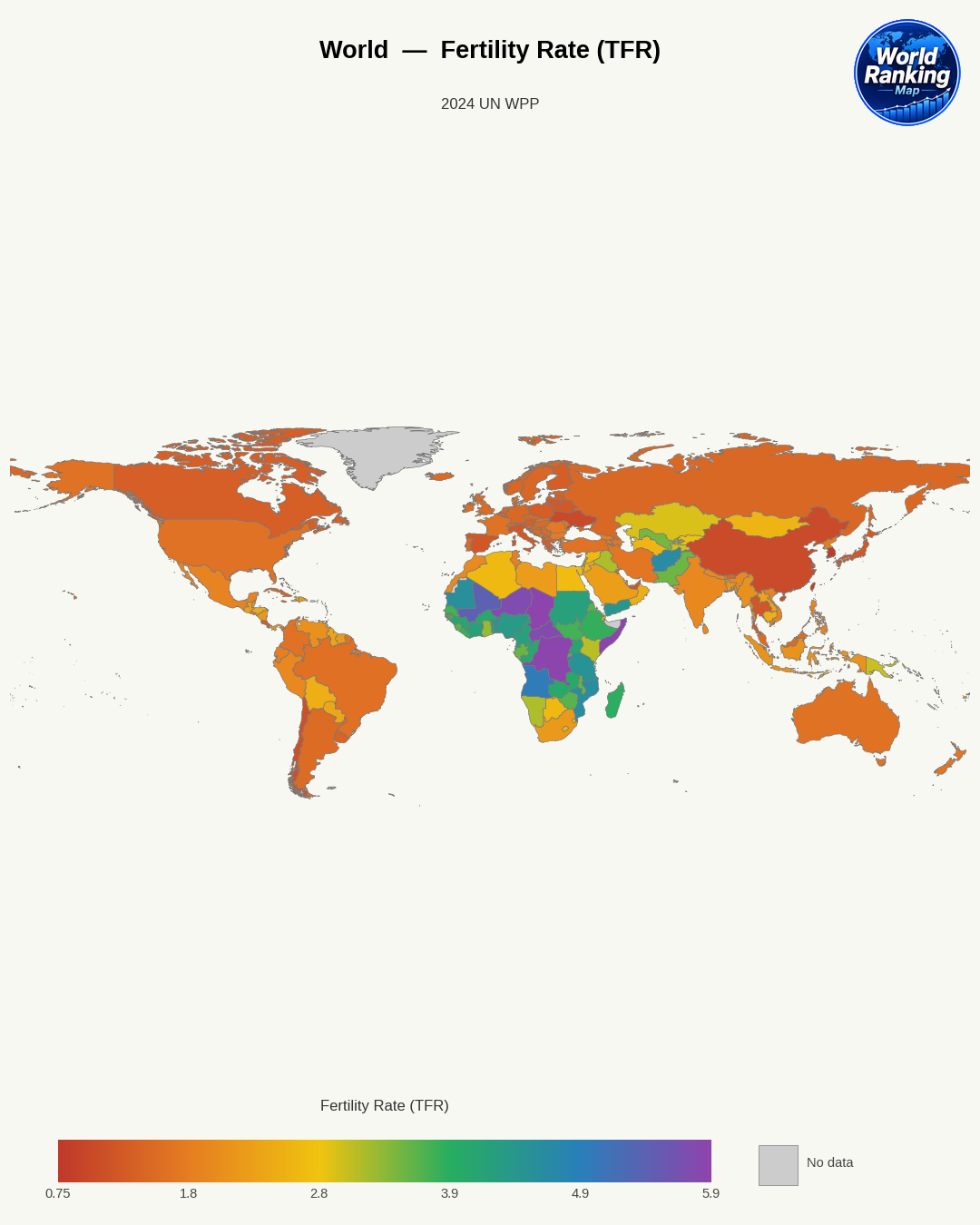
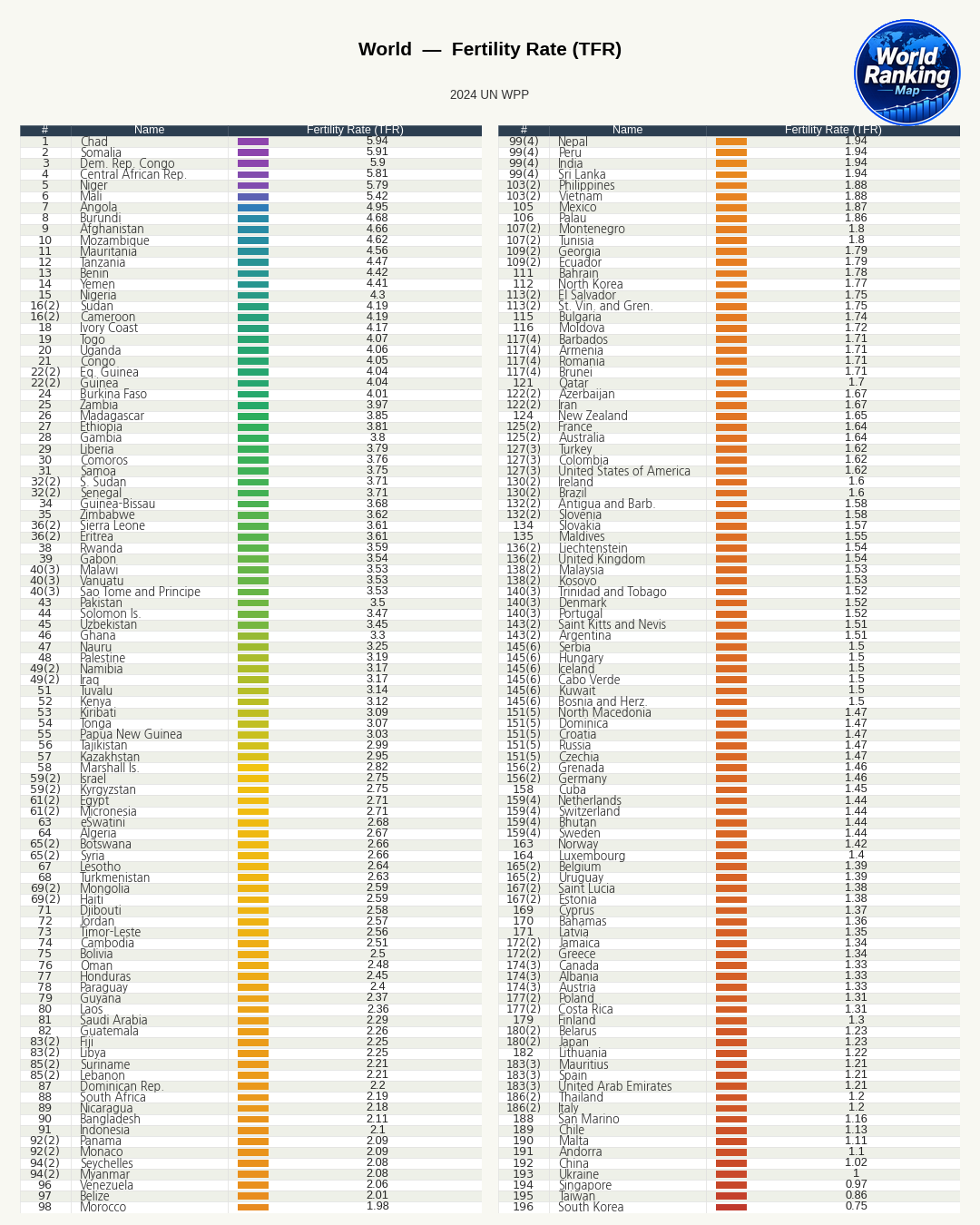
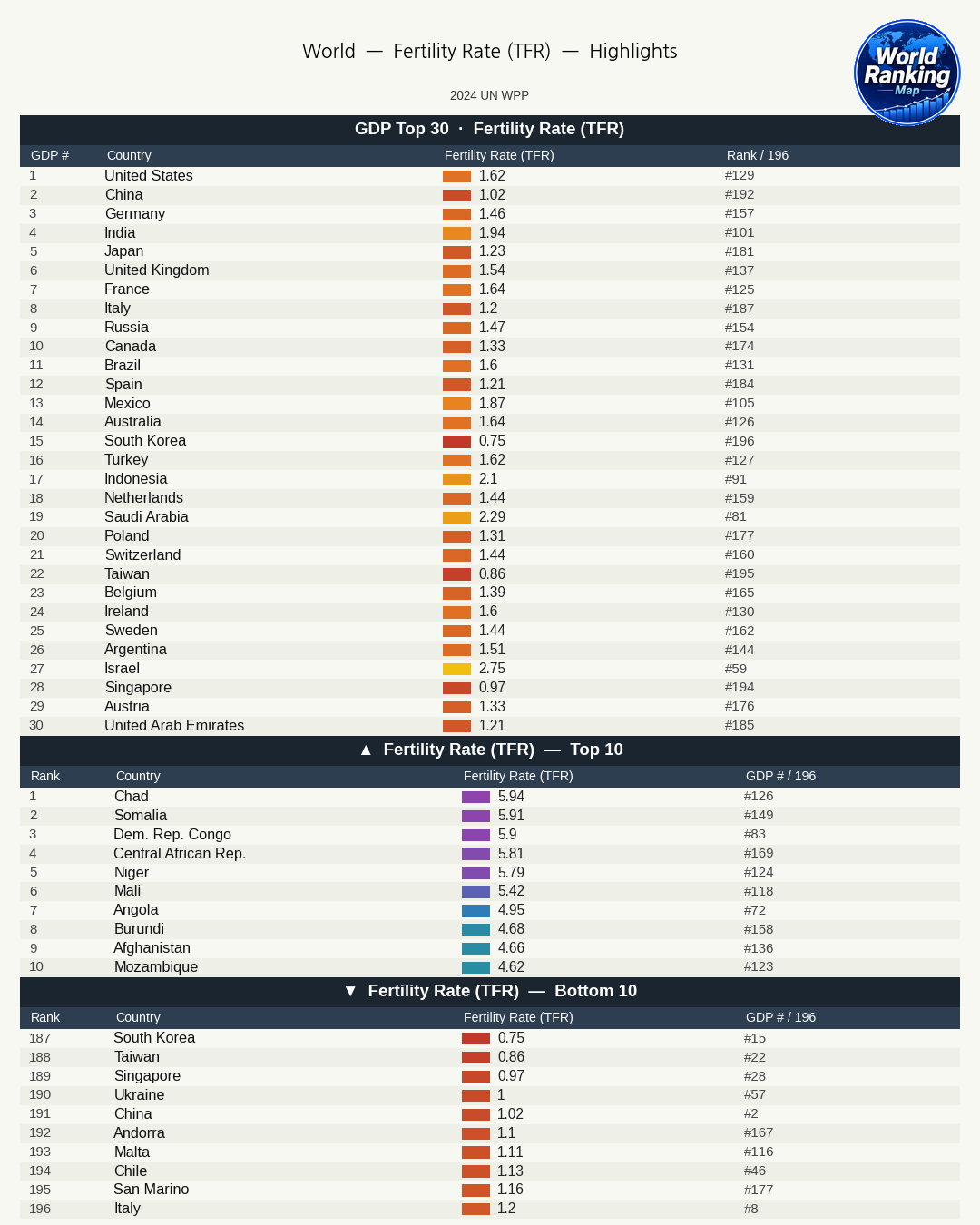
South Korea has long been cited as a country with the lowest birth rate in the world. In international comparisons, South Korea’s total fertility rate often remains lower than not only that of OECD member countries, but also that of several advanced economies that experienced population decline earlier. This means more than simply “having fewer children”; it indicates a prolonged situation in which one generation is not sufficiently replacing the next.
In general, for a population to remain stable over the long term, the average number of children born to one woman over her lifetime needs to be around 2.1. South Korea, however, has spent a long time far below that benchmark, and as a result, it is simultaneously facing declining births, a shrinking school-age population, concerns about regional extinction, and a decrease in the working-age population. South Korea’s low birth rate is attracting international attention not merely as a matter of individual choice, but because it is the result of the combined effects of economic structure, the labor market, housing conditions, and family culture.
Key Indicators for Understanding Fertility
To understand the fertility issue accurately, it is necessary to distinguish between several basic statistics.
- Total fertility rate (TFR): the average number of children a woman is expected to have during her reproductive years. It is the most widely used indicator in international comparisons.
- Number of births: the actual number of babies born in a given year. Even if the fertility rate is the same, the number of births can fall if the number of women of childbearing age declines.
- Crude birth rate: the number of births per 1,000 people. It shows the scale of births relative to the total population.
- Population structure: the distribution of the population by age group. If the number of young people falls and the elderly population rises, the foundation for future births also weakens.
These indicators are interconnected. For example, in South Korea, not only is the total fertility rate low, but the population in childbearing age groups is also shrinking. Therefore, even if the fertility rate stays at the same level, the number of births can decline even faster. Because of this structure, low fertility becomes a harder problem to solve as time goes on.
The Reality of Housing, Education, and Child-Rearing Costs
One of the most frequently cited reasons for South Korea’s low birth rate is the high cost of having and raising children. In particular, the burden of housing costs, especially in the Seoul metropolitan area, makes marriage and childbirth difficult from the very start.
For many young people, securing stable housing is seen as a prerequisite for marriage. But high home prices and the burden of jeonse and monthly rent delay the time when they can live independently, which in turn pushes back the age of marriage. The later marriage happens, the more likely the timing of a first child will also be delayed, and as a result, the number of children tends to decrease.
Education costs are also very high. In Korean society, private education competition is intense in addition to public schooling. Many parents view having children not simply as a matter of basic livelihood, but as a question of whether they can “properly support” them. This leads people to reduce the number of children they have or to postpone childbirth altogether.
Child-rearing and caregiving costs are also hard to ignore.
- Childcare center and kindergarten expenses
- Gaps in after-school care
- Additional caregiving costs for dual-income households
- Long-term costs related to illness, education, and housing expansion
In the end, many households feel that even raising one child well is a heavy burden, making a second or third child an even more difficult choice.
Unstable Jobs and the Uncertainty Facing Young People
Childbirth is a decision that requires hope for the future. Yet South Korea’s younger generation feels job insecurity and income uncertainty very strongly. The gap between regular and non-regular employment, wage differences between large corporations and small and medium-sized firms, and intensified job competition all contribute to delaying marriage and childbirth.
In particular, if young adults cannot secure a stable job early in their careers, plans for housing, marriage, and children are all pushed back. The longer they remain in short-term contracts or unstable work, the harder it becomes to plan a long-term family life. Combined with rising prices and stagnant real income, anxiety grows over the question of whether it is even okay to have a child now.
Long working hours are also a problem. Although South Korea has improved compared with the past, it still has a relatively strong work-centered corporate culture. If quitting time is late, work schedules are unpredictable, and taking leave is not easy, it becomes difficult to balance dating, marriage, and child-rearing. In the end, many young people postpone or give up on childbirth not because they do not want children, but because they cannot see a future they can realistically manage.
Changing Values Around Marriage and Family
The decline in fertility cannot be explained by economic reasons alone. In South Korean society, values surrounding marriage and family are changing rapidly as well. In the past, marriage and childbirth were seen as a natural life course that followed adulthood, but now they are regarded as one of several possible ways to live.
More people are choosing not to marry, and even among those who do marry, the pressure to have children is weakening. As people place greater importance on personal happiness, self-development, leisure, career, and the quality of relationships, childbirth is no longer seen as an obvious duty.
Another important change is the rising expectation of gender equality. Many women care not only about marriage itself, but also about how fairly housework and childcare will be divided after marriage. Men, too, feel significant pressure from the traditional role of the breadwinner. In other words, the shift in values around marriage and childbirth is not simply an expansion of individualism; it is also a sign that the existing family model is no longer attractive.
Career Interruptions and the Difficulty of Balancing Work and Family
A particularly important factor in understanding South Korea’s low birth rate is the risk of career interruption for women. Many women believe that childbirth and child-rearing can cause major losses in their career paths. In fact, issues such as reduced promotion opportunities, exclusion from work, and difficulty re-entering the workforce after childbirth have been repeatedly pointed out.
Even when parental leave exists, it is often difficult to use it freely in practice. In smaller companies or organizations with limited staffing, employees may feel pressure not to take leave, and many worry about disadvantages after returning to work. Men’s use of parental leave is increasing, but it is still not fair to say it has become fully established, due to organizational culture and concerns about reduced income.
This issue is not simply a matter of individual women’s choices. If the structure is such that, once a child is born, the caregiving burden falls heavily on one side—usually the woman—then it is hard for the birth rate to rise. A decision to have children becomes possible only when there is trust that work and family can be sustained together. Therefore, the low birth rate problem is directly tied to gender equality in the labor market.
Why Have Government Birth-Promotion Policies Had Limited Effect?
For a long time, the South Korean government has implemented various policies to address low fertility. Representative measures include childbirth incentives, child allowances, childcare support, tax benefits, and infertility assistance. Even so, many people say the practical effect has been limited.
The biggest reason is that the core of the problem is not simply a lack of cash. One-time subsidies can reduce the initial cost of childbirth, but what people worry about more deeply is housing stability, long-term income prospects, the ability to maintain a career, caregiving infrastructure, and the burden of educational competition. If structural insecurity is not addressed, cash support alone is unlikely to change the decision to have children.
Another limitation is that policies have been implemented in a fragmented way.
- Lack of coordination between housing policy and birth policy
- A gap between reduced working hours on paper and real-life childcare support
- Insufficient response to the concentration of population in the Seoul area and regional decline
- Slow progress in spreading a gender-equal caregiving culture
In other words, low fertility is not a problem that can be solved by a single ministry or a short-term budget. If the overall conditions of life do not change, policy effects will inevitably remain limited.
The Road Ahead: What Changes Are Needed to Raise the Birth Rate?
To reverse the fertility decline, the priority is not simply to encourage births, but to build a society in which having children does not break one’s life apart. The key is to make marriage and childbirth feel not like a “sacrifice,” but like a manageable and sustainable choice.
First, housing stability is essential. Housing supply and rental stability must be strengthened so that young people and newlyweds can live without excessive debt burdens. Second, labor market reform is needed. Stable jobs, predictable working hours, reduced long working hours, and guaranteed practical use of parental leave must be supported.
Third, caregiving infrastructure must be built more densely. In addition to expanding childcare facilities, after-school care, emergency care, and community-based care services must also develop together to reduce the burden on dual-income households. Fourth, a gender-equal family culture must take root. If the structure in which housework and childcare are concentrated on women does not change, it will be difficult to recover the birth rate.
Finally, balanced regional development is also important. If jobs, education, medical services, and cultural resources are overly concentrated in the Seoul metropolitan area, housing costs and competitive pressure will continue to rise. Only when people can plan stable lives in regional areas as well will the overall social foundation for childbirth expand.
South Korea’s low birth rate is not simply the result of individuals not wanting children. It is a reflection of a social structure in which expensive housing, intense competition, unstable jobs, gender imbalance, and a lack of caregiving support have accumulated. Therefore, the solution must also be long-term and structural. To raise the birth rate, the first step is to build a society in which people can trust the future.