Why Do Japanese People Live So Long?
1. How Long Is the Life Expectancy of Japanese People?
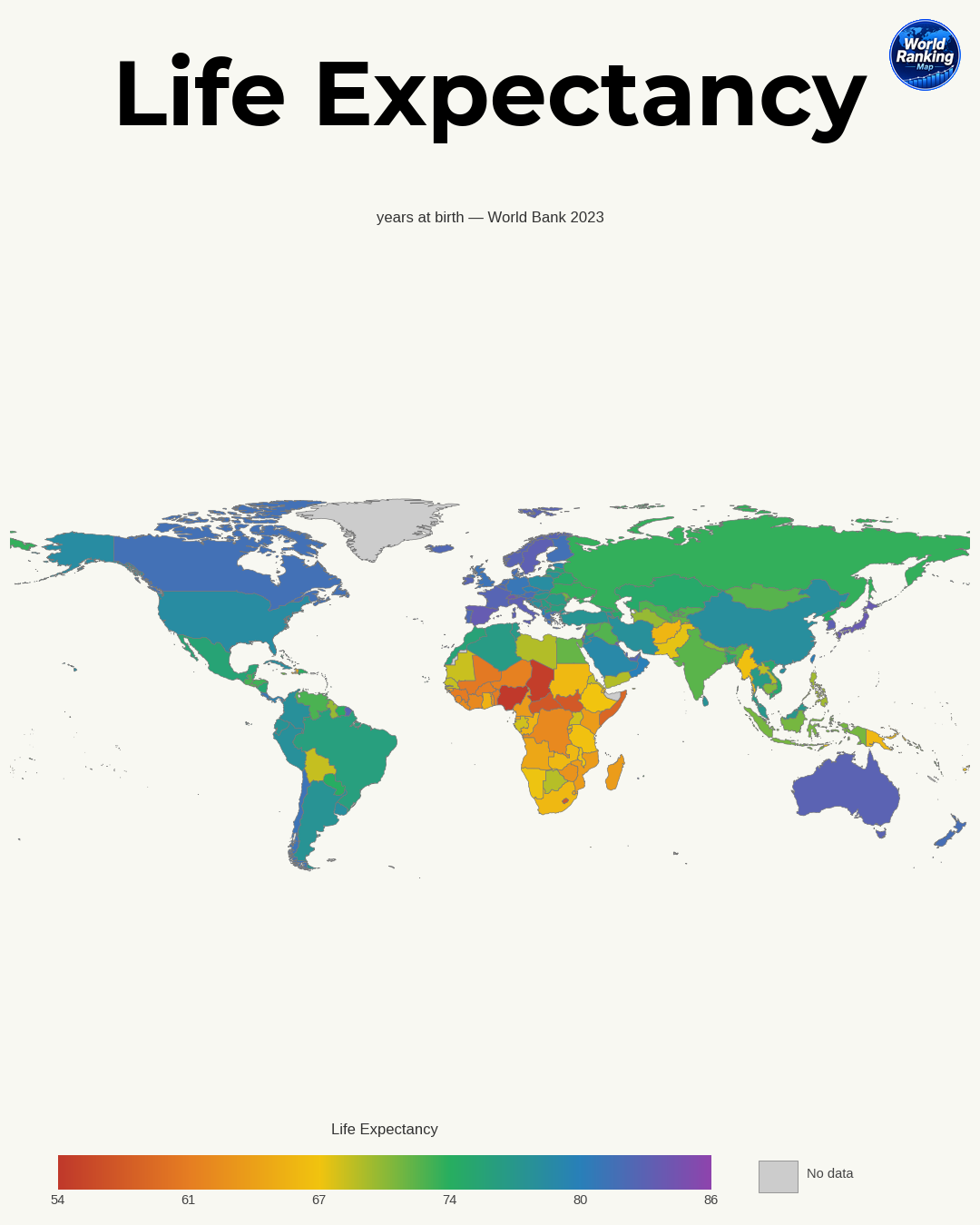
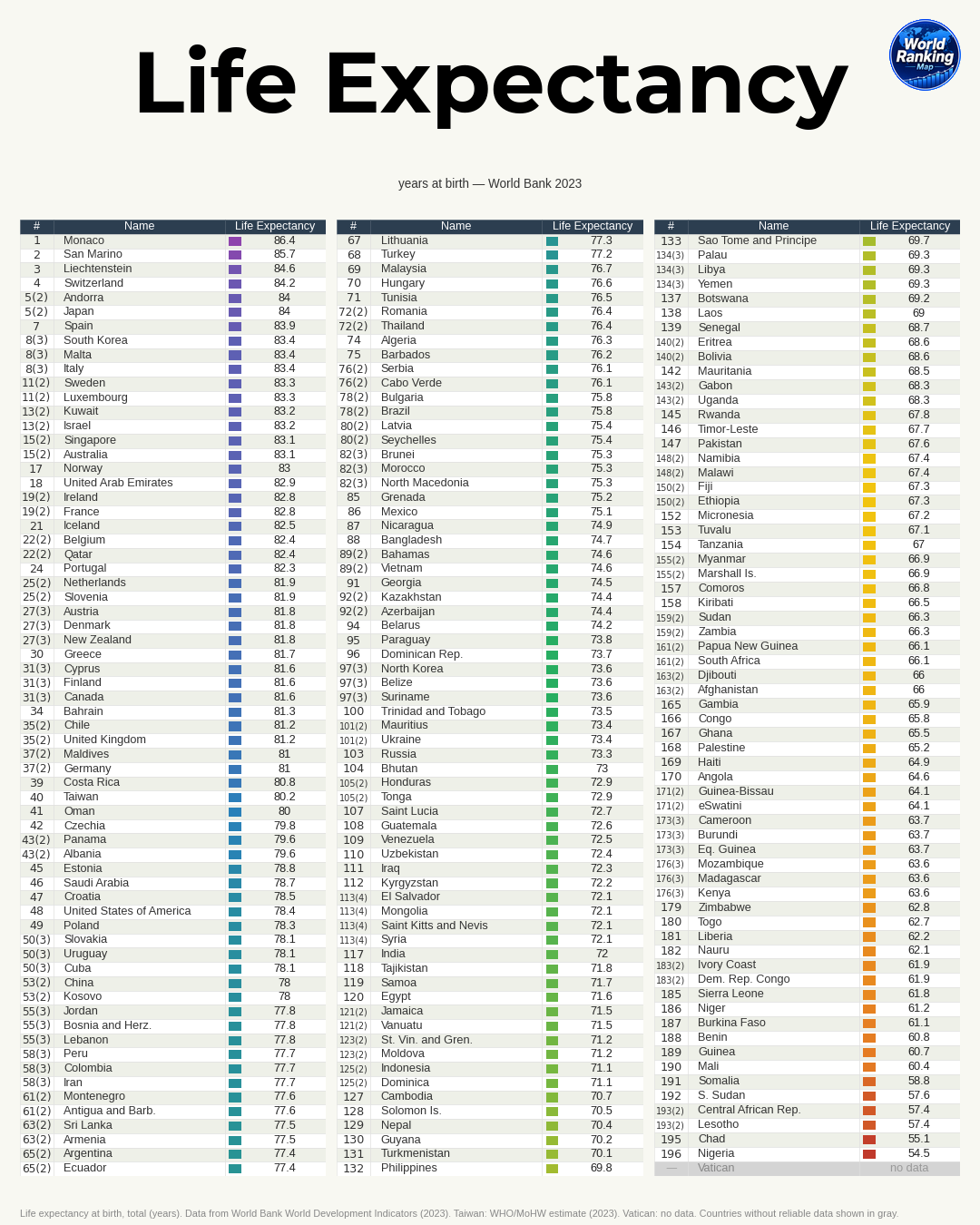
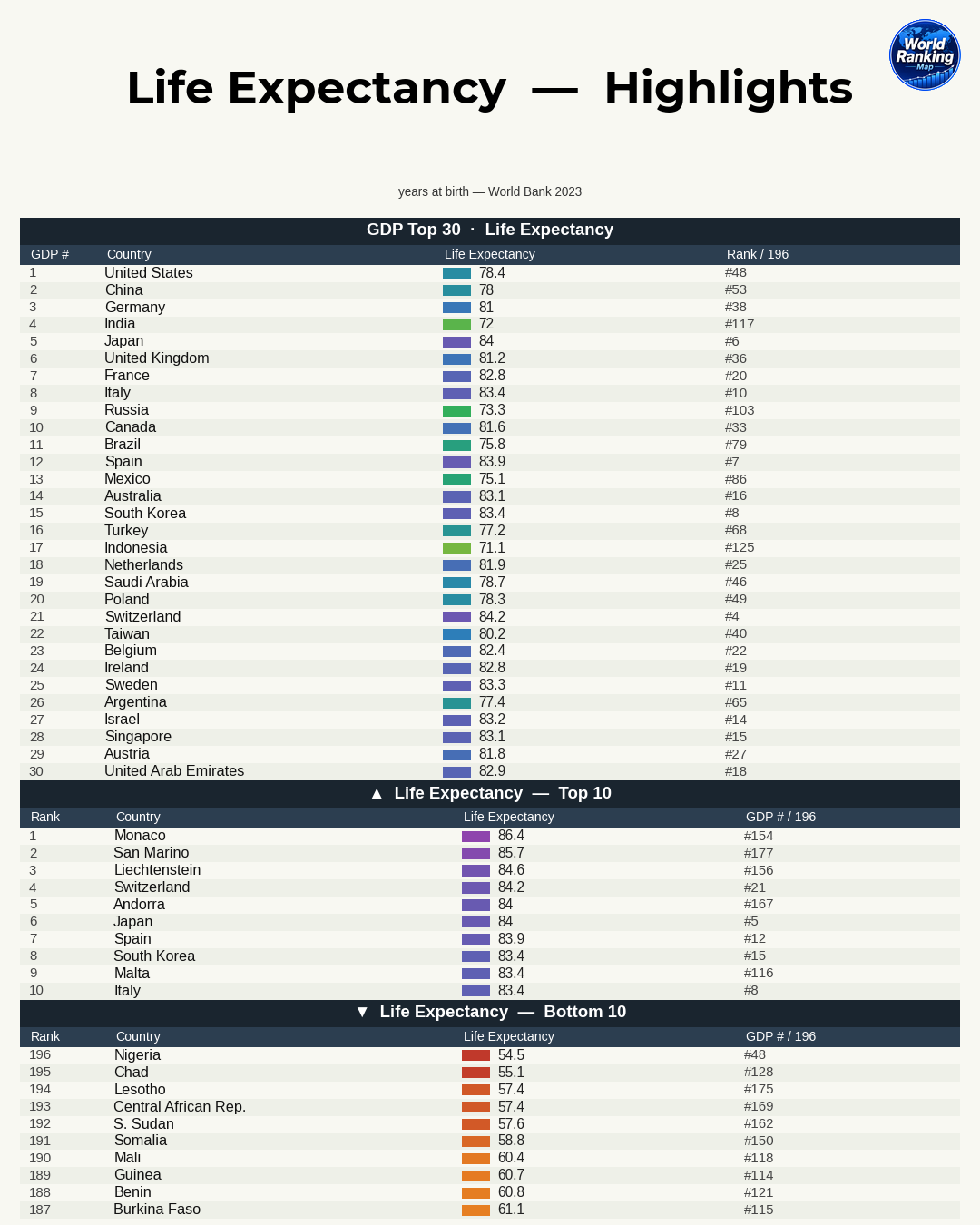
Japan has long been regarded as one of the countries with the highest life expectancy in the world. Although figures vary slightly across international organizations and national statistics, Japan’s life expectancy at birth is generally estimated at around 84 years. That is far above the global average and very high even among developed countries.
The gender gap is also clear. In general, women tend to live longer than men, and Japan is no exception. Japanese women’s life expectancy is considered among the highest in the world, while men also live very long lives, though typically a few years less than women. These figures suggest that Japanese society has not only a high level of medical care, but also a social structure that supports health throughout everyday life.
2. Key Factors Often Cited as the Basis for Longevity
When explaining Japanese longevity, several key factors are usually mentioned together. Rather than being attributable to a single reason, it is more accurate to see it as the result of a combination of diet, healthcare, lifestyle, and social structure.
The most commonly cited factors are:
- A relatively balanced diet
- Universal access to healthcare and preventive care
- A lifestyle with plenty of walking and daily activity
- Social participation among older adults and community ties
- A population structure with relatively low obesity rates
In other words, Japan’s longevity is not the result of one special “secret,” but rather of an environment in which healthy choices are easier to make having accumulated over a long period of time.
3. Diet and Nutrition: The Influence of Japanese Eating Habits
Japanese eating habits are often cited as one of the most representative foundations of longevity. Traditional Japanese diets have been rich in fish, vegetables, seaweed, legumes, and fermented foods, while intake of red meat and excessive saturated fat has historically been relatively low. Such a diet can be beneficial for cardiovascular and metabolic health.
Fish consumption is especially important. Fish is rich in omega-3 fatty acids, which can support heart health, and Japan has historically been a country with high seafood consumption. In addition, soy-based foods such as tofu, natto, and miso are valued as foods that provide protein and various nutrients while remaining relatively light on the body.
Fermented foods are another hallmark of Japanese cuisine. Foods such as miso, natto, and tsukemono have traditionally appeared frequently on the table and are often discussed positively in terms of gut health and dietary variety. Combined with meals that include vegetables, soup, and several small side dishes, this style of eating can help reduce overeating and maintain nutritional balance.
Another point often mentioned is moderate portion sizes. Traditionally, Japanese meals have not been excessively large, and the culture of eating several dishes slowly and in smaller amounts has developed. This can be advantageous for controlling total calorie intake. That said, some point out that the spread of Western-style diets and the increase in processed foods have weakened these traditional patterns to some extent in recent years.
4. The Healthcare System and Preventive Health Management
When discussing Japan’s longevity, access to healthcare cannot be overlooked. Japan has a universal healthcare system, which provides a foundation for many people to receive the medical care they need. Access to medical institutions is relatively good, and hospitals and clinics are fairly well distributed at the local level.
What is especially important is not only treatment, but also prevention and early detection. In Japan, the culture of health checkups is relatively well established, and efforts to detect diseases early have continued through workplace screenings and local government programs. Since conditions such as hypertension, diabetes, and cancer are heavily influenced by whether they are diagnosed early, this system plays a meaningful role in improving life expectancy.
The advantages of preventive health management include:
- A higher chance of detecting disease before it becomes severe
- The ability to provide ongoing management of lifestyle-related illnesses
- Older adults being able to use medical services consistently
Of course, the burden on the system is increasing due to rising medical costs and population aging, but in the long run, Japan’s high life expectancy can be seen as being greatly supported by a system that diagnoses early and manages conditions continuously.
5. An Active Lifestyle and Health in Old Age
Japanese longevity cannot be explained by hospitals or food alone. Daily activity levels are also an important factor. In many Japanese cities and residential areas, public transportation is widely used, and it is common to walk to stations or go up and down stairs. Compared with societies that depend heavily on cars, this creates a structure in which walking is naturally built into daily life.
This lifestyle makes regular physical activity possible even without a special exercise program. The habit of moving a little every day can help with weight management, cardiovascular health, and maintaining muscle strength. For older adults in particular, sustainable low-intensity activity may be more realistic and effective than strenuous exercise.
Social participation in later life is also closely tied to health. In Japan, many older adults continue to stay active after retirement through hobby groups, volunteer work, community events, and part-time jobs. This can have a positive effect not only on physical health, but also on cognitive function and emotional stability.
The key point is that Japan’s longevity culture is less about “working out hard” and more about movement being woven into everyday life.
6. Community, Social Connection, and Mental Stability
In longevity research, social connection is often cited as a very important factor. People do not live long simply by eating well and receiving good medical care; health indicators tend to improve when they live without isolation and within relationships. Japan has traditionally been known as a society with relatively strong ties at the family, neighborhood, and community levels.
Especially in old age, social isolation can be linked to depression, cognitive decline, and worsening physical function. On the other hand, having people to meet regularly, roles to fulfill, and a sense of belonging can help maintain a rhythm of life and make health management more effective.
One concept that often appears in discussions of Japanese longevity is a sense of purpose in life. The term *ikigai*, known through examples such as Okinawa, is often introduced as meaning something that gives life meaning or worth living for. Of course, this alone cannot explain lifespan, but feeling connected to what one needs to do can positively affect mental stability.
In short, longevity is deeply connected not only to a person’s constitution, but also to social and psychological factors such as:
- Relationships with family
- Participation in the local community
- Reduced loneliness
- A sense of purpose and emotional stability
7. Regional Differences and a Representative Example: Okinawa
Although Japan as a whole is known as a longevity country, there are regional differences within it. The most famous example is Okinawa. Okinawa has long attracted international attention as a longevity region, especially for its high proportion of older adults and the health of its elderly population.
The following factors are often cited as traditional reasons for Okinawa’s longevity:
- A diet rich in vegetables and legumes
- Relatively low calorie intake
- A strong community culture
- Social roles that continue into old age
- A warm climate and an environment conducive to outdoor activity
However, an important point is that Okinawa is changing too. In recent generations, the westernization of diets, the rise of fast food, and concerns about obesity and metabolic disease have all been raised. The longevity image of the past is not automatically preserved today, and health indicators in the region can also change from one generation to the next.
In other words, Okinawa is a symbolic example of Japanese longevity, but it also shows that a longevity culture can weaken amid social change.
8. The Limits of Japanese Longevity and Today’s Challenges
Japan’s high life expectancy is certainly impressive, but that does not mean all problems have been solved. In fact, Japan is one of the countries that has faced the burden of a super-aged society earlier and more intensely than most. As more people live longer, pressure on pensions, medical costs, caregiving labor, and local welfare systems also increases.
Japan’s longevity model is also facing several challenges today. Among younger generations, the share of processed foods, high-fat foods, and eating out is increasing compared with traditional diets, and the competition and work culture of urban life can lead to stress and mental health issues. There are also differences in access to healthcare, income levels, and support systems for older adults depending on the region.
The main challenges are:
- Financial burdens caused by rapid population aging
- The weakening of traditional eating habits
- The rise of single-person households and isolation
- Health disparities between urban and rural areas
- The reality that, as lifespan increases, managing healthy life expectancy becomes even more important
Ultimately, Japan is clearly a country where people live long lives, but the key going forward is not simply extending lifespan. It is about living longer while staying healthy, less isolated, and maintaining quality of life. Japan’s case shows the possibilities of longevity, while also revealing the new challenges that a longevity society must face.